I read an interesting article last week about a trend being seen in Singapore (and in the world at large). The more formalized education children are receiving, the higher the levels of myopia in that particular society. According to the article by the BBC:
“Genetics play only a small part. While a family history of myopia raises the risk of a child developing it, a purely genetic case of myopia is rare, says Neema Ghorbani-Mojarrad, a lecturer at the University of Bradford in the UK and a registered optometrist.
Instead, lifestyle factors are thought to be more significant, in particular, a lack of time outdoors, and focusing on close objects for an extended period through an activity like reading. These factors help explain why one otherwise thoroughly positive trend in children’s lives has unintentionally worsened the spread of myopia: education.
Of course, education in itself – in the sense of discovering the world, and empowering oneself through knowledge and skills – does not cause poor eye health. In fact, education is associated with many positive, measureable health effects. But the way children obtain an education in the modern world, with the emphasis on long hours spent in classrooms, appears to be consistently hurting their eye health.”
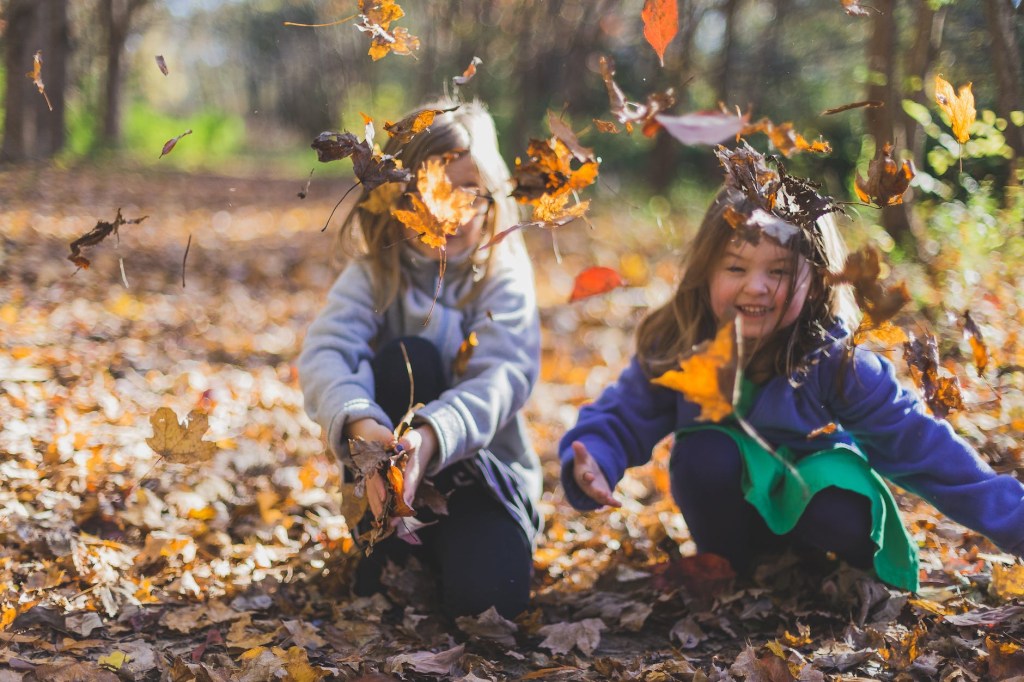
Education is obviously not something to avoid and reading has ample benefits for children, as long as these things are not done at the expense of long range vision activities. Play, especially in the outdoors, is a wonderful way to afford your child with the opportunity to work long range vision and stem the vision regression being seen around the world.
I encourage you to read the article and draw your own conclusions, then go outside and exercise the superpower you have and play!
https://www.bbc.com/future/article/20220927-can-you-prevent-short-sightedness-in-kids
 The Superpower of Play